Substrate
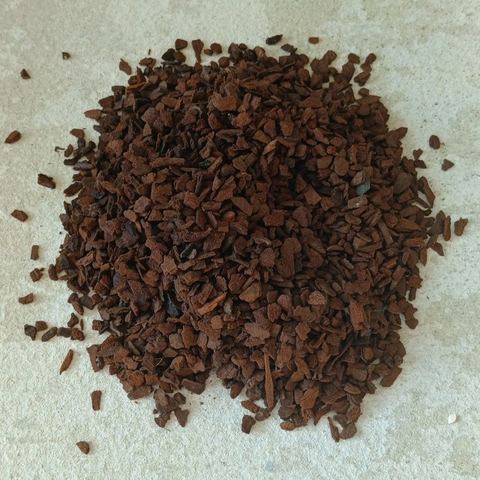
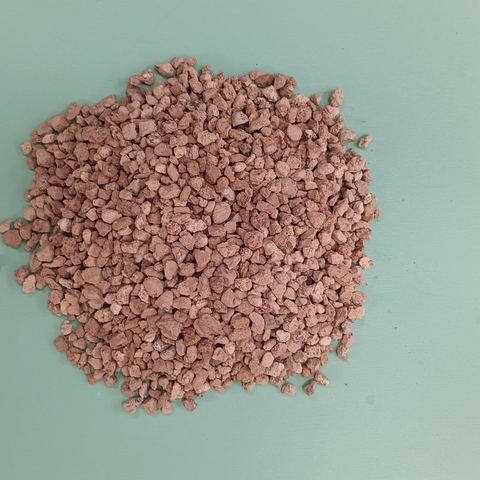
Orchiata Precision Pine Bark, 3-6mm, 5L
AU$34.95
Home / Bonsai soil & substrate
Bonsai soil and substrate, sifted to a single particle size, washed of dust and shipped free anywhere in Australia. Japanese akadama, kanuma, pumice and kiryuzuna alongside Sakadama and the house blends.
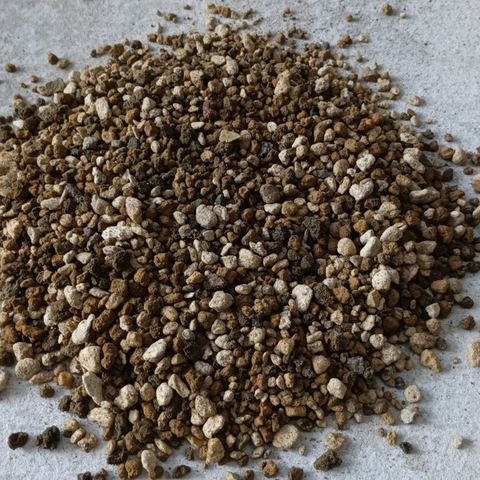
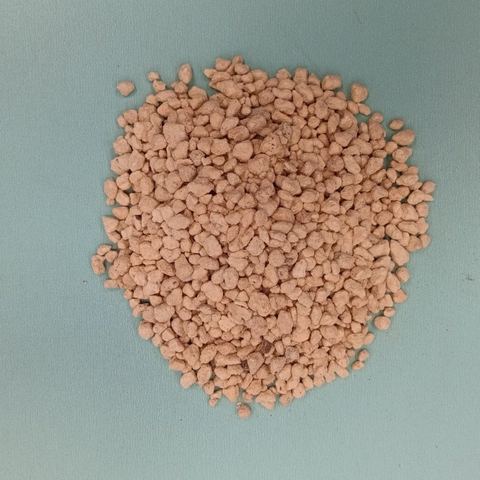
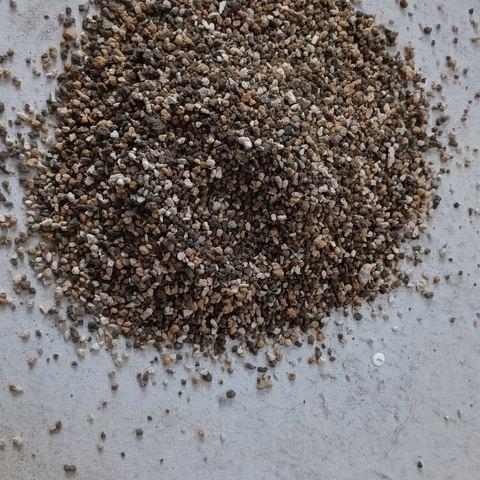
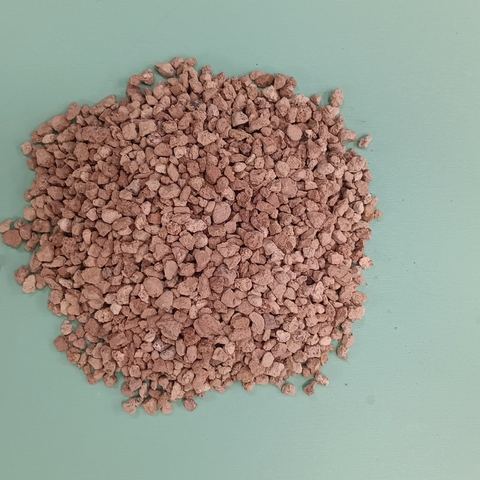
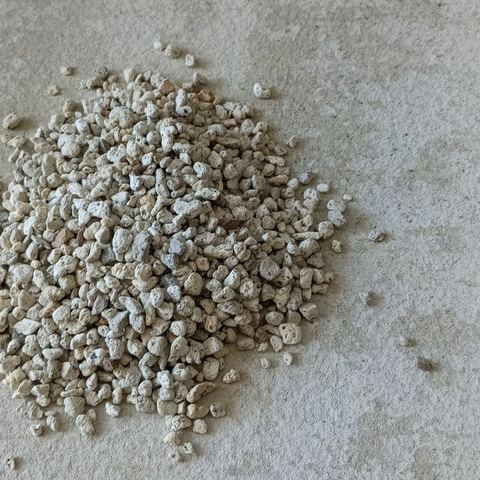
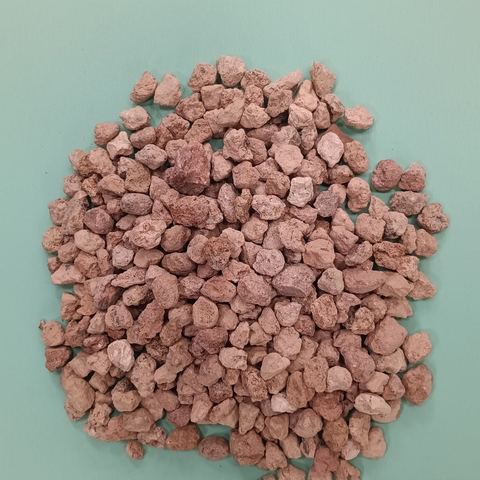
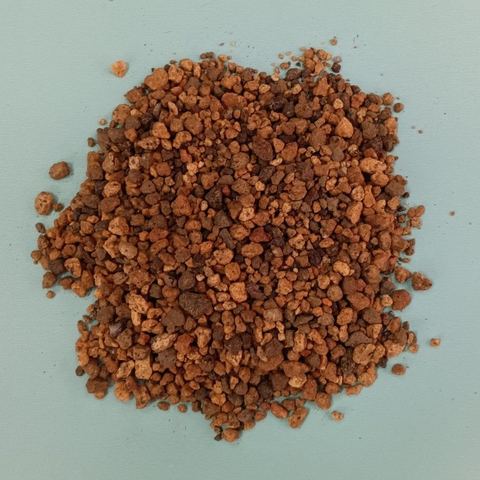
Bonsai are grown in a granular substrate rather than garden soil or ordinary potting mix. Roots in a shallow pot need air as much as water: hard, evenly sized particles leave pore space between the grains, so water drains through in seconds, oxygen reaches the roots, and enough moisture clings to each particle to carry the tree to the next watering. Fine dust is what destroys that structure, which is why every bag here is sifted to the size on the label and washed before it is packed.
Akadama is a baked Japanese clay and the traditional base of most bonsai mixes. It holds moisture and nutrients while staying open, and the hard triple-line grade breaks down slowly enough to last several years in the pot.
Sakadama is an akadama substitute with a harder structure and similar water retention, so it holds its particle size longer between repots. It comes in a medium 3-5mm and a large 5-8mm grade and is used in the same ratios as akadama.
Japanese pumice holds air and some water, does not break down in the pot, and adds drainage to any mix. Use it as the inorganic partner to akadama or Sakadama, or straight for cuttings and trees in recovery.
Kanuma is a soft, acidic Japanese pumice and the standard medium for azaleas and satsuki, which need an acidic, free-draining root zone.
Kiryuzuna is a hard, iron-rich Japanese sand blended into conifer mixes. It keeps its shape in the pot and runs the root zone drier, which pines and junipers prefer.
Pine bark (Orchiata) is aged New Zealand Pinus radiata bark, the organic part of a mix. It adds structure and helps hold nutrients between feeds.
Deciduous trees such as maples and elms grow well in akadama or Sakadama, straight or with pumice and pine bark blended through. Conifers such as pines and junipers prefer a drier root zone: blend in kiryuzuna or raise the share of pumice. Azaleas and satsuki go into kanuma on its own. Cuttings and trees recovering from root damage do well in straight pumice, and seeds in the seed raising and cutting mix.
If you would rather not blend your own, Keith's Mix is the house blend of akadama substitute, pumice and pine bark, sifted and ready to use straight from the bag.
Smaller particles hold more water; larger particles drain faster. 3-6mm is the general-purpose size for most trees and pots, 3-5mm suits smaller pots and finer root systems, and 5-8mm suits large trees, deep pots and the drainage layer laid across the base of the pot.
Measured as pot length × width × depth, approximate fill volumes are:
Allow extra for a drainage layer in deeper pots. Each soil product page repeats this table next to the bag size.